07 / The Journey
Fuel, Not Food
Why 95% of diets fail, and eating for performance instead of restriction.
95% Fail By Design
I do not diet, and I do not advocate dieting since it is a fact that 95% of all diets fail.
Ask any bookmaker and they will tell you that 95% is as close to a sure thing as death and taxes. Why bother with something that has been proven again and again to fail, not because people lack the will to make healthy choices but once again because they do not understand how the human body functions.
Big pharma has found that it is highly profitable to further our ignorance about how health produces natural cures.
It is not necessary to avoid food in order to lose weight. Nor is it healthy. Or practical.
When combined, the two most dreaded words in the English language may very well be Diet and Exercise. That wouldn't be true if people got positive results.
The problem is getting worse, not better. Why? There are dozens of sources for advice about diet and exercise.
It is a $71 billion industry and each year 45 million people in the United States go on weight loss programs— from tailored meal plans like Slim Fast and Nutrisystem, Paleo, Keto, gluten-free to high fat, no carb, all-fat, no-fat, no carb, no food, and cleansing. Now we are experimenting with harsh chemicals to make the body perform as it would naturally.
Yet according to studies— 95% of diets fail.
Why? Because they are designed to fail. Eighty-two percent of the nation is fat.
If diets succeeded, their purveyors would soon be out of business. Their very survival depends on fat, ill-informed Americans.
In his book, Outlive, The Science and Art of Longevity, Dr. Peter Attia wrote, “I once believed that diet and nutrition could cure almost all ills, but I no longer feel that strongly about it. Nutritional biochemistry is an important component of our tactics, but it is not the only path to longevity or even the most powerful one. I see it more as a rescue tactic.”
Diets are triage. They don't change anything.
“Diets are triage. They don’t change anything.”
“When it comes to human fuel there are two primary considerations: adequacy and purity.”
You Can't Do a Don't
Diets do not work because they go against our physical and mental programming.
We are wired to go forth and conquer, not count calories. Diets fail because you cannot do a don't. We cannot abstain our way to progress.
We create positive change in our lives from actions we take, not by avoiding things.
There are words, like diet and exercise, which cannot overcome their negative connotations. The implication is that we will be forced to go without something we really want. Since they ask us to deprive ourselves of pleasure, they go against our very basic human nature.
We DO things well, but we can't do a don't. Tell us not to do something and we can't stop thinking about it. We are programmed to act, not sit on our hands.
Diets replicate the body's response to periods of inadequate nutrition by storing more fat. Fat is a survival mechanism. It is intended to insulate us against cold and to sustain us through times of limited food. When we withhold food, we send a message that triggers the storage of fat. The more often we try deprivation, the more often we trigger the fat response.
There is no diet plan, no pill, no electronic device, and no magic elixir that will make you healthier. Drugs often come with negative side effects that may not surface until years later.
In the words of the late psychologist and author Dr. Wayne Dyer, “When we change the way we look at things the things we look at change.”
Food is more than food and not all food is created equally.
We need to understand what our options are and how they affect us. We need to know what we are putting in our bodies. Do you put premium gas in your car? If you do, you probably know the difference between it and regular. I choose premium because I appreciate maximum performance.
When it comes to human fuel there are two primary considerations: adequacy and purity.
Obesity is a deceptive form of inadequate nutrition. While consuming large quantities of processed food may leave one feeling full…for a while, that over-consumption of calories is competing for space in your stomach against nutritious options. It is full of poisons that confuse the body's internal systems and contribute to chronic disease.
Most food is neither adequate nor pure, which in turn has led to the explosion of the supplement industry, an industry that is pretty much unregulated as to purity or effectiveness. People make their way down the vitamin aisle of the pharmacy and select items for no good reason at all.
Wouldn't it make more sense if consumers knew what their body needed based on a blood analysis that measures deficiencies?
What about dosage, if you are simply supplementing a good diet should you be taking the same dosage as a Doritos snorter? Should dosages of some supplements be adjusted for body weight in some instances?
Simply by focusing on what is necessary for maximum performance, unhealthy options lose their appeal.
Recently we learned that leafy greens are the most dangerous suspects when it comes to foodborne illness. They are often wet, handled frequently, processed in volume, and packaged in sealed containers where conditions are perfect. Worst of all, sprouts.
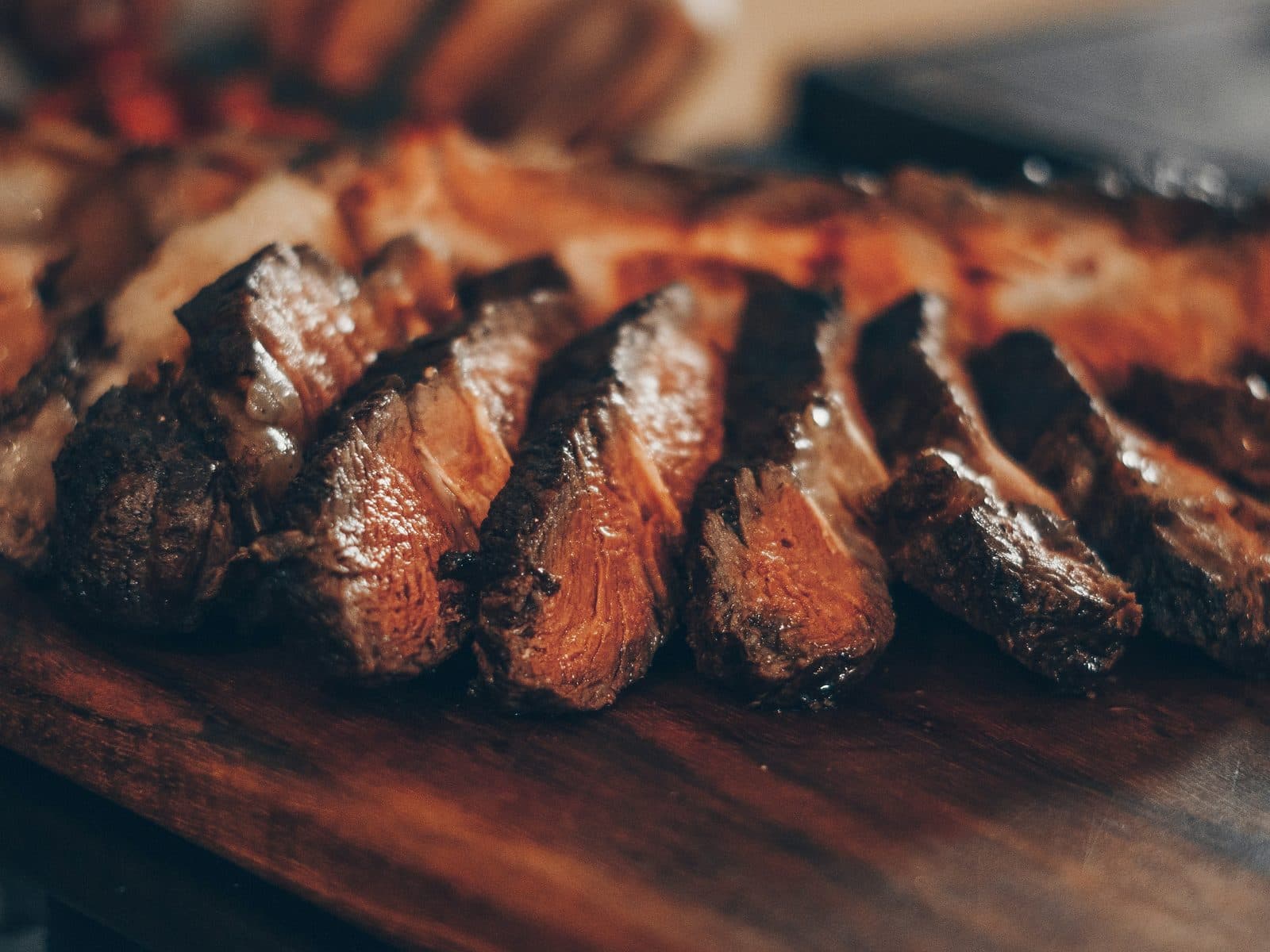
Meat is also notorious for making people sick. Where I shop for meat, I am able to get organic grassfed items that are free from hormones, antibiotics, and minimally handled and processed.
Much of what is sold in large food markets contains ingredients that are not even food.
Despite the fact that we are a sick and disabled nation due to overconsumption, we are starving for adequate nutrition.
Eat more meat, seeds, and beans with rice. If you like meat, you are going to love what you are about to learn.
Fuel for a Maximum Performance Machine
From the appearance of things, people care more about what they put in their cars than what they put in their bodies. So, let's change the way we see food and see it as fuel for a maximum performance machine.
Rather than dieting to lose weight, why not focus on being certain that you are getting the fuel with the right additives. Over time, your body will naturally assume its healthy weight.
I tried dieting once. I even quit drinking as part of a New Year's resolution. Through sheer perseverance, unwavering commitment, cold showers, and the support of my friends, I made it all the way to the 9th of January.
As I took the first satisfying sip of VO Manhattan on the rocks, I recall thinking to myself, “Wow! What a nightmare, I won't be doing that again.”
And I haven't. I do not pursue good health to avoid life but to more fully embrace it. I am an enthusiast, not a fanatic and my rules for fuel are focused on eating well, not restrictions.
Perhaps the only thing that separates me from unhealthy people is that I am mindful about what I put in my mouth. If it is not part of a planned meal, I always ask myself, “Do I really want this?”
Just by eliminating habitual, thoughtless face-stuffing you will begin reversing the damage done by improper fuel.
Sunoco was an oil company that advertised heavily on television in the sixties as fuel injectors were replacing carburetors. Their cheery jingle offered this caution, “Stops filters, guards and bars microscopic particles that slow down modern cars.”
Going back to our automobile analogy, you do not want “foreign particles that slow down modern cars” to clog your fuel injectors/arteries.
Food that comes from large factory farms is often exposed to a wide variety of things not intended for human consumption.
There was a time when America had a sacred relationship with their food producers. We trusted that the food they provided to us was nutritious and safe for consumption.
But more than 10,000 chemicals, some of which are potentially toxic, are allowed in cereal, snacks, meat, and many other types of food sold in the U.S.
Almost 99% of food chemicals introduced since 2000 were greenlighted for use by food and chemical companies rather than properly reviewed by the Food and Drug Administration. Many of these widely used chemicals are associated with major health harms, including increased risk of cancer, developmental harm, and hormone disruption.
These substances end up in what we eat, thanks to a legal loophole that allows food ingredients to be classified as “generally recognized as safe.” The loophole lets manufacturers – instead of the FDA – determine which food chemicals are safe to consume. Chemical and food companies have exploited this loophole for decades.
What it adds up to is that they are deliberately and knowingly feeding us dangerous life altering chemicals that have resulted in 82% of the population slowly dying in misery.
Maltodextrin is rapidly digested in the small intestine, resulting in a significant increase in blood sugar levels. This blood sugar rise triggers the pancreas to release insulin, which facilitates the movement of glucose into cells, thereby bringing blood sugar levels back within the normal range.
This sharp rise and drop in blood sugar can lead to unstable energy levels, commonly known as blood-sugar crashes. This can cause powerful sugar and carb cravings as the body attempts to restore balance. We are starving.
Over time, constant cravings and snacking can lead to increased calorie consumption and unintended weight gain, linked to various health issues.
Additionally, maltodextrin is a calorie-dense additive, providing four calories per gram, the same as sugar, while offering virtually no nutritional value.
I am blessed to live in a farming community. Vista was at various times known as both the avocado and the strawberry capital of the world and San Diego County has over 5,000 farms, many of them small family specialty farms.
As a result, every day of the week there is a farmers' market somewhere. They are spectacular and you get to know the growers of the things you like. And with deference to Guy Fieri, this is “Flavor Town.”
Fresh, just picked at the peak of ripeness, the flavors alone can help you make great eating choices. Here is a little secret that diet profiteers and doctors don't know; as you get healthier you will begin to notice that many of these flavors are more complex and satisfying than you may remember.
Your body is sending you messages all the time, but your frequency is blocked by unhealthy eating choices.
Nutrient Deficiency
Despite the fact that the vast majority of us carry excess baggage we are not overnourished. Quite the contrary, we are starving to death. Obese individuals have high rates of micronutrient deficiencies. Specific deficiencies including vitamin D, chromium, biotin, thiamine, and vitamin C are known to be deficient at relatively high rates in obese individuals and in diabetic patients.
Sixteen percent of the population has Diabetes, but thirty-three percent have pre-diabetes. The problem is getting worse, not better.
Vitamin D — High rates of vitamin D insufficiency have been reported in obese individuals and in diabetics. The prevalence of vitamin D insufficiency (defined as <30 mg/dL) in obese individuals ranges from 80–90%.
Chromium — Chromium deficiency has been identified in severely malnourished patients who demonstrate severe insulin resistance, hyperglycemia, hypertriglyceridemia, and painful neuropathy. In published case reports, these symptoms and signs completely and rapidly resolve after the administration of chromium. The main dietary sources of chromium include yeast, meats, and wheat germ. The use of stainless-steel pots and utensils increases the chromium content of food as traces of chromium are liberated from the steel during preparation.
Biotin is a water soluble vitamin that serves as a cofactor for carboxylase enzymes in fatty acid synthetic pathways, the citric acid cycle, and amino acid metabolism. In addition to its biochemical function, circulating biotin regulates gene expression. Patients with type 2 diabetes demonstrate lower circulating levels of biotin compared to healthy controls and an inverse relationship between biotin level and fasting plasma glucose has been reported.
Then there is the RDA. The recommended daily allowance for food nutrition is published by the U.S. Department of Agriculture (USDA) and the U.S. Department of Health and Human Services (HHS). These guidelines are part of the Dietary Guidelines for Americans, which provide recommendations to promote health and prevent diet-related chronic diseases. Spending hundreds of billions of dollars in the process we must be the healthiest people ever.
But, no. Chronic disease and premature death are the reality for 82% of the population. If you ask AI if we were healthier one hundred years ago, it says “no” and cites life expectancy as proof. But since infant mortality was a leading cause of death, this is a meaningless response or a head-fake.
The best way to tell if we are more or less healthier than in the past is how much of our income we spend on health-related expenses and that number just keeps on going up as more new maladies are named and a cure is created. Or is it the other way around?
So that brings us back to the RDA and its value to the taxpayer.
“Despite the fact that the vast majority of us carry excess baggage we are not overnourished. Quite the contrary, we are starving to death.”
Protein Deficiency
The average diet does not supply enough of what the body needs to function optimally.
What is unique about protein?
Protein stands out because it is the only nutrient your body uses to build and repair almost everything. Unlike carbs or fats, it crafts muscles, skin, and even tiny enzymes that keep you ticking. No other food component pulls off such a massive range of jobs. It's like the Swiss Army knife of nutrition, always ready for action.
You can't live without protein—it's that simple. It fuels growth when you're a kid, heals cuts when you're hurt, and keeps every cell in your body humming along. Your heart, brain, and lungs all depend on it to function day in and day out. Skip it, and your body starts breaking down instead of building up.
First, it repairs tissue after a workout or a scrape, knitting you back together fast. Second, it pumps up your energy by feeding your brain and muscles, so you don't crash midday. Third, it powers your immune system to churn out antibodies that zap germs before they take hold. It's a triple threat for keeping you strong.
When you don't get enough protein, your body can experience a range of symptoms. Here are some of the key effects of protein deficiency:
Fatigue and Weakness: A lack of protein can lead to feelings of weakness and fatigue, affecting both mental and physical performance. Brittle Hair and Nails: Insufficient protein can result in hair and nails that are dry, brittle, and poorly growing. Increased Infections: A protein deficiency can weaken the immune system, making you more susceptible to infections. Muscle Loss: Low protein intake can lead to muscle wasting, which is particularly concerning for older adults. Mood Changes: Protein is essential for producing neurotransmitters that regulate mood, and a deficiency can lead to mood swings and changes in behavior.
So, how much protein do you need?
The recommended daily allowance is 0.8 grams per kilogram of body weight. The RDA recommendations are way too low to support a healthy person. They are just enough to support the sick and dying.
Research backs the idea that healthy, active people need more protein than the RDA.
In fact, the publishers of the RDA even say so themselves if you dig deeper.
“Activity Level: Individuals who are more physically active, such as athletes or those engaging in regular strength training, may require more protein to support muscle repair and growth. Recommendations for active individuals can range from 1.2 to 2.0 grams per kilogram of body weight, depending on the intensity of their activity.”
I also find it interesting that they are using the metric system with which most people are unfamiliar. I have yet to be asked how many kilos I weigh. My scale is only calibrated for pounds.
Using kilograms in a country that is on the imperial system seems like a deliberate attempt to obscure.
Having been to the bottom of the health rabbit hole I am more than a little convinced that they do not want us to be healthy. You can draw your own conclusions about why.
Recently there have been a number of warnings from a number of media sources warning against overconsumption of protein.
The possibility of overdosing on protein is made nearly impossible by limitations on how much one can ingest.
My goal is one gram of protein per pound of body weight. In my case that is 120 grams. It isn't easy.
Think of the equivalent of three 16-ounce T-Bone Steaks. Or 9 lbs. of Spinach which if cooked could be reduced to a single serving.
As you are about to see, the recommendation itself is way too low for a strong, healthy, older individual doing the level of physical activity that has been proven to lead to maximum performance and longevity. That's just breakfast.
How can we expect people to be more fit when we do not provide the essentials for doing so? Wouldn't the RDAs be reflective of what is necessary to be healthy, not what is minimally needed to sustain survival?
Canada's McMaster University suggests that people who consume more animal protein may actually have lower cancer mortality rates.
Your body uses protein to make over 100,000 different molecules — from enzymes, hormones and more. Hair gets its curl from sulfur bonds in a protein called keratin — more bonds mean curlier locks. Yellowfin tuna packs 30 grams of protein per 100-gram serving. The word “protein” comes from the Greek word “proteios,” which translates to “primary” or “of the first rank.” Protein keeps you full longer than carbs or fat ever could — one meal with 30% of this nutrient can slash 441 calories off your day. Your muscles break down protein every day, even without exercise. Insects, like crickets, outshine beef with 60 grams of protein per 100 grams. Amino acids are linked together by peptide bonds to form proteins. Protein fuels brainpower by boosting focus and energy levels. The biggest protein in your body, titin, helps muscles snap back — without it, you would be stiff as a board. Your body recycles protein constantly in a process called turnover. Antibodies defend the body against pathogens. Pumpkin seeds surprise with 33 grams of protein per 100 grams. Protein burns more calories to digest than any other nutrient — up to 30% of its calories during digestion. Soy mimics meat by offering a complete protein punch. The primary source of protein is animal and plant-based foods. Gluten, a wheat protein, can spark allergies in some people. Your immune system leans on protein to crank out antibodies. Spirulina, an algae, crams in all essential amino acids. Proteins are turned into amino acids during the digestion process. Protein needs to jump to 2 grams per kilo if you're shedding pounds. Beans paired with rice turn into a complete protein combo. Your liver churns out 90% of blood proteins to move fluids. Athletes scarf down 2.2 to 3.4 grams per kilo to build muscle. Collagen, a protein, keeps your skin plump and joints flexible — by your thirties, it starts to fade. Protein-rich diets can shrink liver fat by 48% in six weeks.
1g
of protein per pound of body weight. The RDA asks for well under half that.
Why Supplement
Fruits — Berries (blueberries, strawberries, raspberries), citrus fruits (oranges, grapefruits, lemons), apples, bananas, pomegranates.
Vegetables — Leafy greens (spinach, kale, collard greens), cruciferous vegetables (broccoli, cauliflower, cabbage), root vegetables (carrots, beets, potatoes), tomatoes, peppers.
Whole Grains — Brown rice, quinoa, oatmeal, whole-wheat bread.
Legumes — Beans (black beans, kidney beans, pinto beans), lentils, peas.
Nuts and Seeds — Almonds, walnuts, chia seeds, flaxseeds.
Herbs and Spices — Turmeric, ginger, garlic, cinnamon, oregano.
To increase your phytonutrient intake: eat a variety of fruits and vegetables from all color groups, choose whole grains over refined grains, include legumes in your meals, snack on nuts and seeds, use herbs and spices generously in your cooking, and consider a phytonutrient supplement if you have difficulty getting enough from your diet.
Simply because it is difficult to get everything we need just from what we eat. But with so many options and little scientific agreement about them many people walk into a pharmacy and buy the alphabet. Why? If you don't know where you are deficient you could spend a fortune for stuff you don't need of questionable purity.
Fortunately, there is now an assessment that can determine exactly what you need: the Longevity Biomarker & Biological Age Panel.
It's a baseline health assessment measuring performance hormones like testosterone and DHEA-S, essential vitamins and minerals, and metabolic function. Provides a deep look at essential biomarkers that determine if your latest diet, workout, or biohacking efforts are effective.
If you want to experience maximum performance and longevity you need the proper fuel.
“If you want to experience maximum performance and longevity you need the proper fuel.”