09 / The Journey
Know Your Number
The Longevity Biomarker & Biological Age Panel — a real starting point.
Age Is Just a Number
“How old do you think I am?” asked the beautiful woman in the television advertisement for Maybelline.
“Age is just a number.”
And if you are simply counting from your birthdate, it doesn't really mean much. The body ages away and dies at the cellular level without regard to how old you are.
How healthy you are and how long you live are determined by everything your body has experienced over the course of a lifetime. And the results can now be measured.
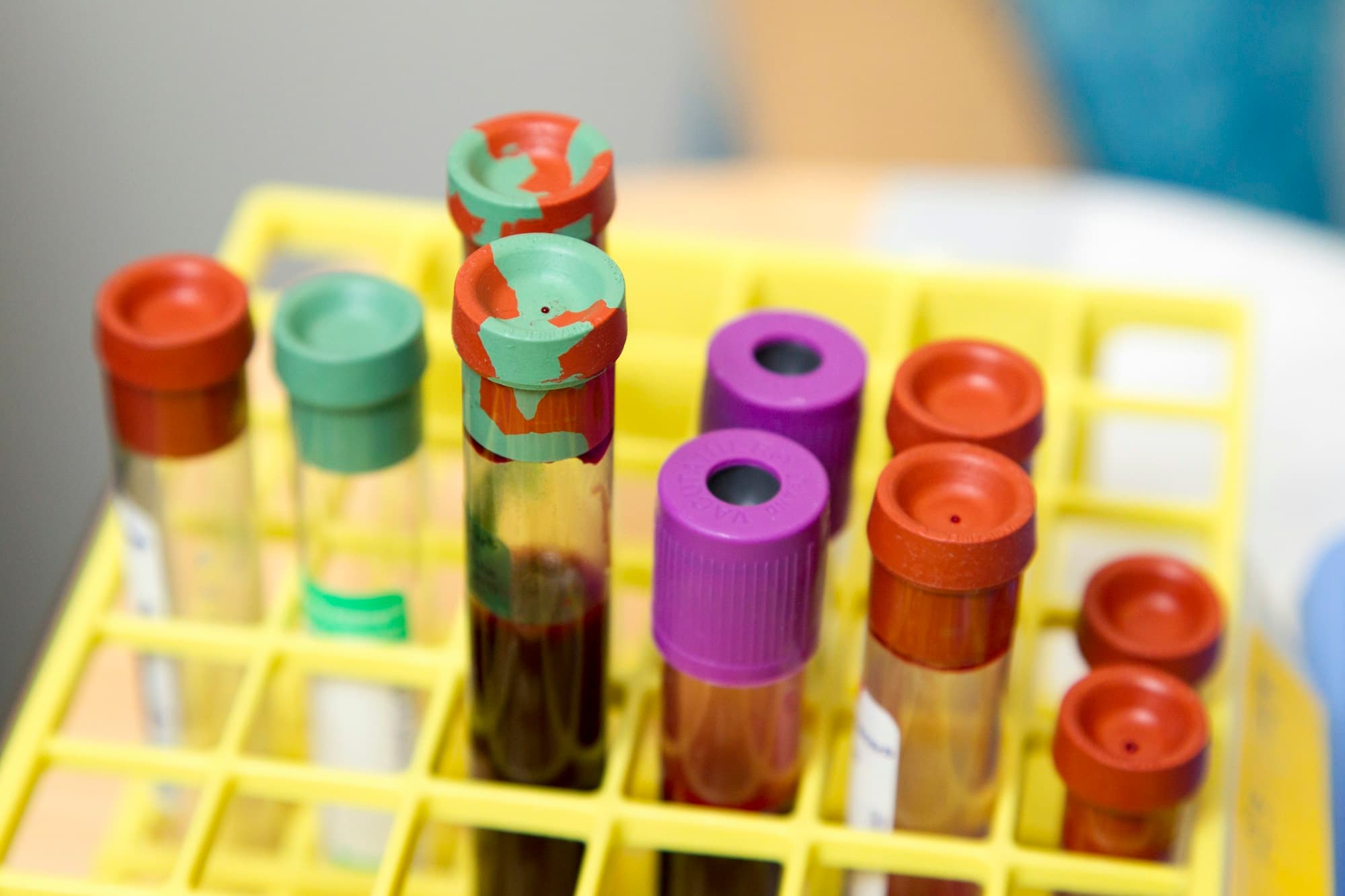
The Longevity Biomarker & Biological Age Panel is a detailed assessment of the body's internal functioning at the cellular level and focuses on understanding and optimizing specific biomarkers.
The panel provides an in-depth analysis of your metabolism, inflammation levels, hormone balance, and nutrient status, and how your diet, exercise, and daily habits affect your bodily systems and organs.
A baseline health assessment measuring performance hormones like testosterone and DHEA-S, essential vitamins and minerals, and metabolic function.
Measures — Your personal biomarkers are displayed on an easy-to-read dashboard with a description of what each biomarker means and what your risk factors are.
Analysis — By mapping and integrating your personal results, the testing service identifies actions you should take to improve and maintain your health and wellness. You also can track your performance over time to see how lifestyle changes are contributing to your health and wellness. The improvement plan includes diet, exercise, lifestyle and supplement recommendations.
The biomarkers tested span the entire body, so the results are presented in groups for easy reading and understanding. The test results provide easy-to-follow practical lifestyle, diet, and supplement recommendations. When a person's body is operating as it should, they will have more energy, a better mood, improved sleep, healthy immune function, normal brain function, and generally be more productive.
“And if you are simply counting from your birthdate, it doesn’t really mean much.”
The Longevity Biomarker & Biological Age Panel
Muscle Performance — Whether a person is an athlete, a parent, or an aging adult, muscular health plays a role in strength, stamina, endurance, sleep, and risk for injury or illness. Musculoskeletal health is important even in younger years because bones and muscles are closely linked, and their density and composition generally decline with age. Biomarkers: Vitamin D, Total testosterone, RBC magnesium, SHBG, Creatinine, DHEA-S, Albumin, Total protein.
Overall Health and Wellness — Immune function needs to be working efficiently to resist the toxins and pathogens encountered daily. Similarly, red blood cells must perform daily to carry oxygen to every muscle, tissue, and organ in the body. Biomarkers: RBCs, WBCs, Eosinophils, Monocytes, Basophils, Leukocytes, Hemoglobin, Hematocrit.
Macronutrient Metabolism — Some biomarkers measure how well you are metabolizing the food you eat. Lipid levels, blood sugar metabolism markers, and protein status are a direct reflection of your diet and metabolism. Biomarkers: Lipids, HbA1c, Glucose, Total protein, Creatinine.
Injury Risk — Every athletic endeavor potentially puts the participant at risk for injury. Minimizing inflammation, supporting bone and muscle health, and optimizing hormone levels is a great place to start. Biomarkers: TSH, HS-CRP, Cortisol, RBC magnesium, Vitamin D, WBCs.
Risk for Chronic Disease — Age is a primary risk factor for multiple chronic diseases: dementia, heart disease, type 2 diabetes, arthritis, cancer, and more. Chronic disease is the leading driver of illness, disability, death, and health care costs.
A Deeper Dive
RBC Magnesium — Muscles, bone, and other tissues store 99 percent of the body's magnesium, with the other one percent in the serum and red blood cells. When serum magnesium does decrease, magnesium is pulled from tissue storage to maintain the tightly regulated blood magnesium level. This can mean that many effects of low magnesium — poor sleep, twitches, muscle weakness, cramps, fatigue, numbness, abnormal heart rhythms, or even seizures — might be masked in common blood tests. An RBC magnesium blood test provides a better indication of magnesium status than serum magnesium.
Cortisol — When it is elevated from mental, physical, or emotional stress, the primary stress hormone cortisol can break down muscle, raise blood sugar, cause excess fat storage, and suppress immune function.
Lp(a) — Considered an independent risk factor for cardiovascular disease and atherosclerosis, Lp(a) is a protein found on LDL “bad” cholesterol. The majority of individuals who have an elevated Lp(a) level are genetically predisposed to increased risk for heart disease, although many menopausal women will see this level rise as their estrogen declines.
HbA1c — Otherwise known as hemoglobin A1c or glycosylated hemoglobin, this biomarker provides a running 90-day average of blood glucose level as measured by the percentage of red blood cells saturated with sugar. Frequent carbohydrate consumption, under-production of insulin, or a sedentary lifestyle can significantly increase this value, which increases a person's risk for diabetes and insulin resistance.
“Imagine how you would feel if you retested in a year and you had lowered your biological age by ten years?”
What Would You Find?
I have thought a lot about whether to release my own biological age score but I need to be careful about my impact on expectations, either too high or too low.
There are two possible outcomes. Either you are younger or older at the cellular level than your chronological age.
More important you will have an individually tailored program to be able to get you moving in the right direction. Imagine how you would feel if you retested in a year and you had lowered your biological age by ten years?
If you have a passion for feeling better, living longer, and having more fun, the time has come for you to find out how you are and what you need to do.
Where to Get Tested
Both of these services test your blood, and both can give you a biological age.
InsideTracker
A blood test at a Quest lab near you. It can give you a biological age score, which it calls InnerAge.
Link coming soonLifeforce
A blood test taken at your home. Its results include a biological age reading.
Link coming soon
End of the journey
Book a workshop with George.
You've read the whole argument. The next step is a real conversation about your own starting point.
Book a workshop with GeorgeOr email gwmantor@aol.com